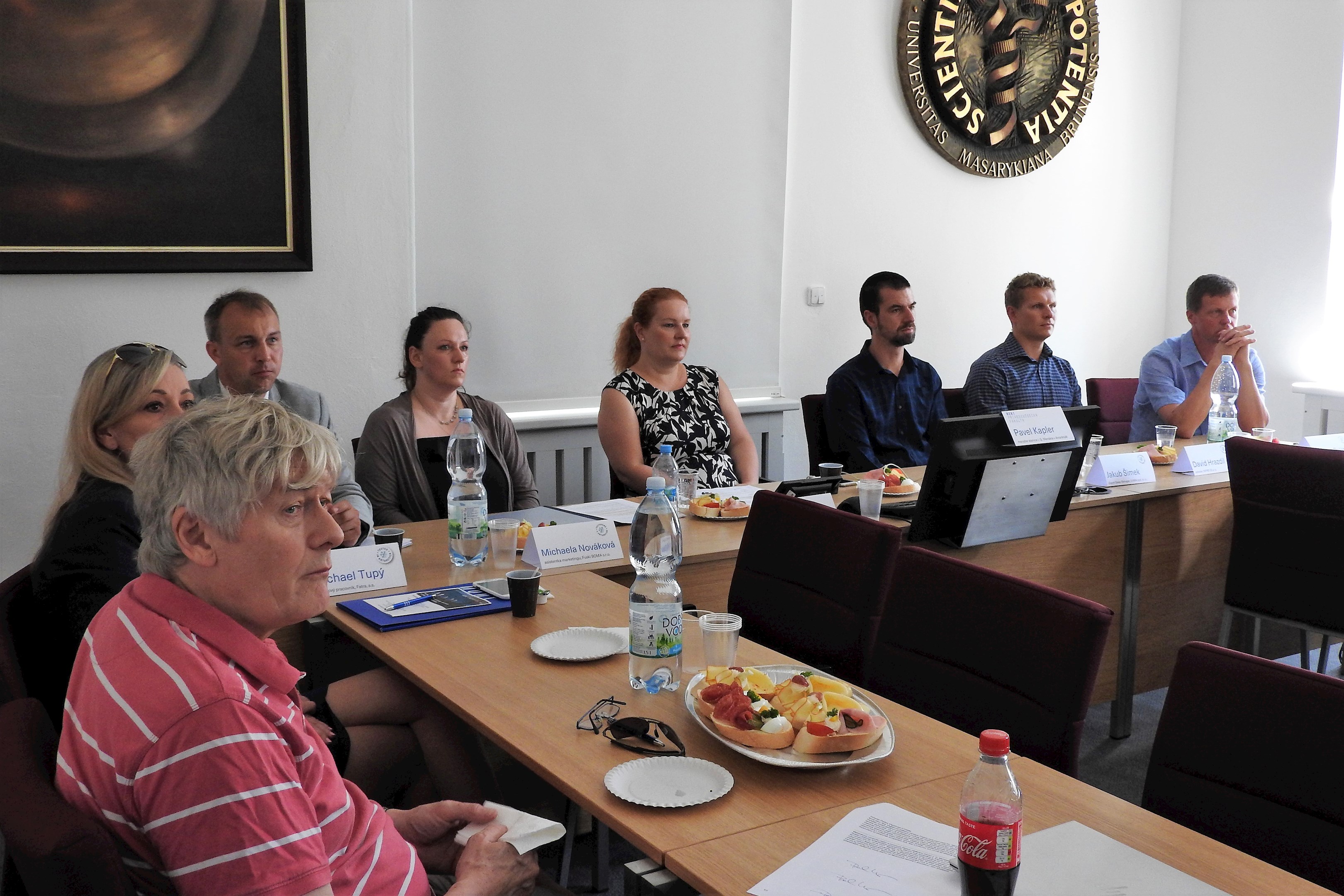
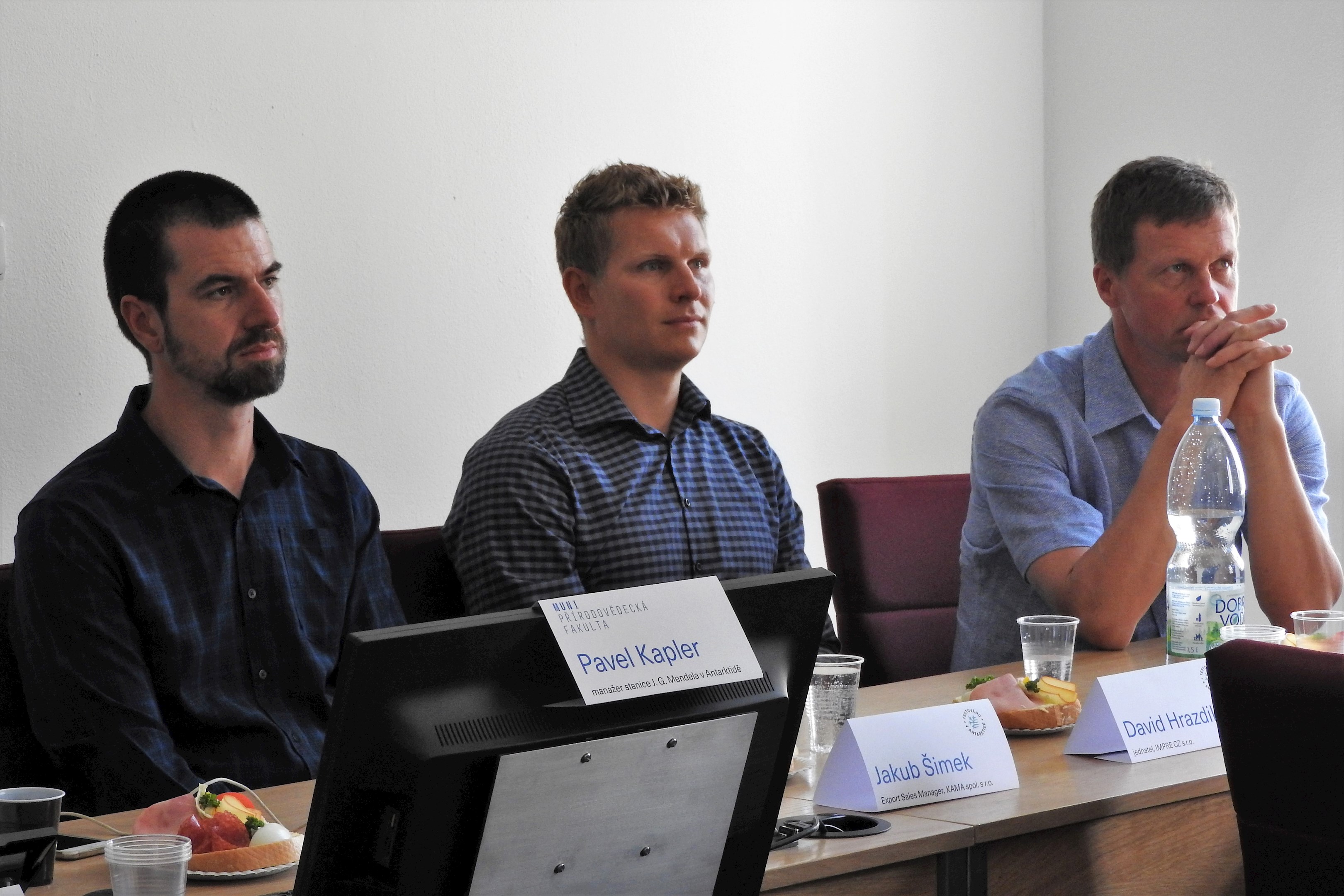
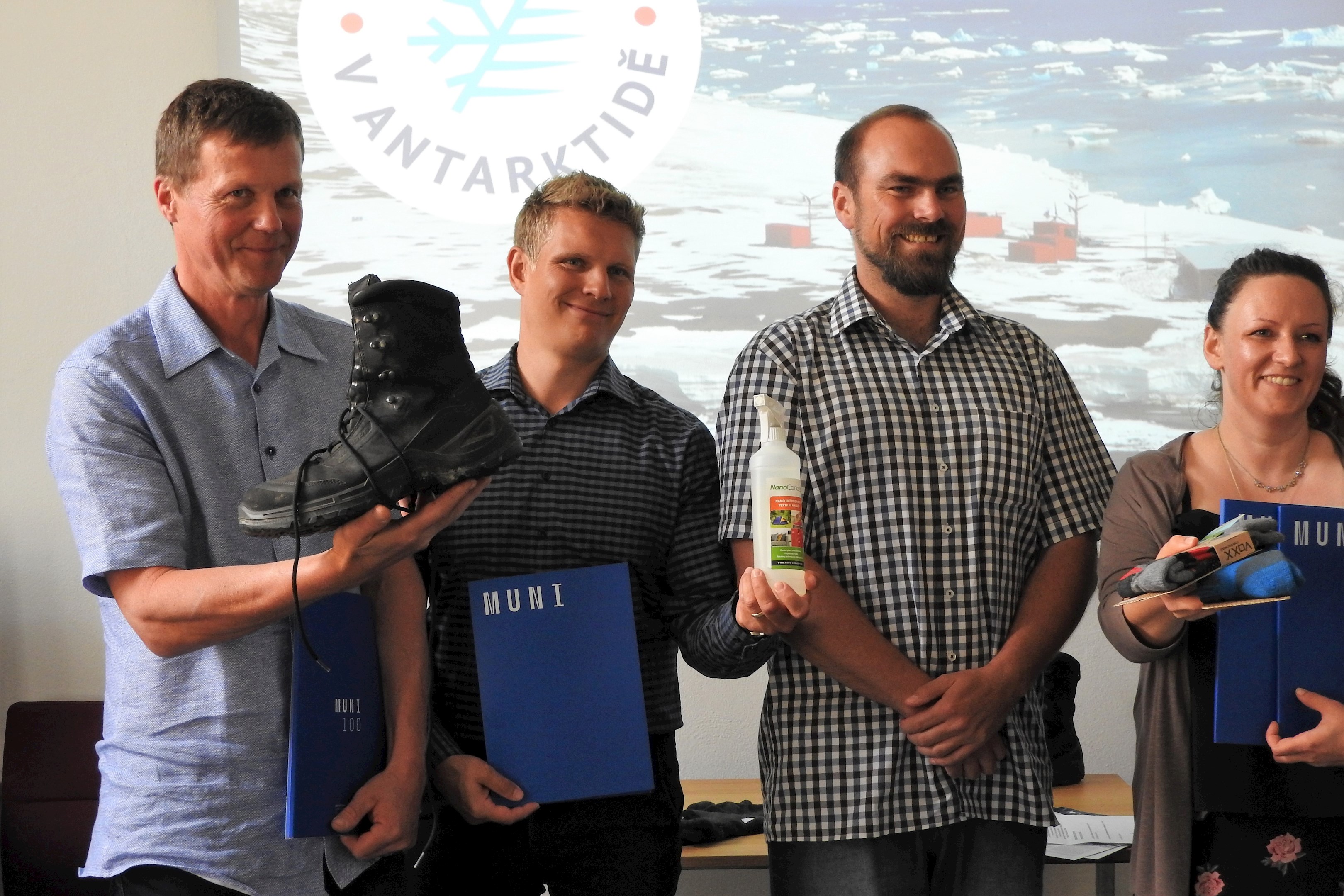
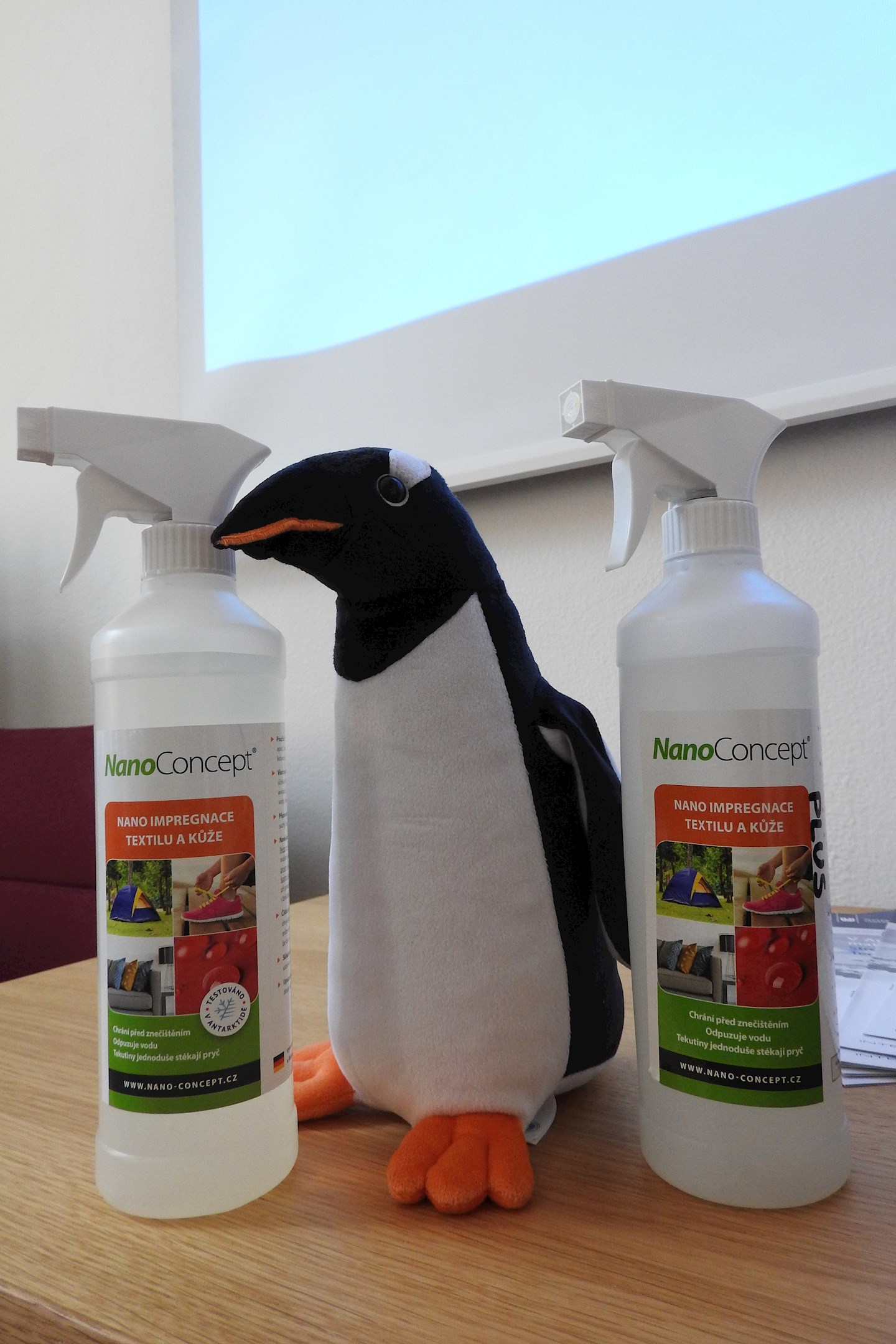
The consumer product testing was carried out by the members of this year’s scientific expeditions to the icy continent in three different parts of Antarctica. "The tests were carried out mostly at the Czech polar station of J. G. Mendel on James Ross Island but also at the so-far-nameless Czech station on Nelson Island and during the expeditions of the Chilean and Turkish National Antarctic Programs in which Czech scientists took part as well," said the leader of the expedition to Nelson Island, Pavel Kapler.
The expedition to the Station of J. G. Mendel took with them a total of ten different Czech products to be tested. However, not all of them reached their destination. „Because of the poor weather on James Ross Island, we weren’t able to unload all of the ship's cargo. Some of the products intended for testing had to stay on the ship. Well, this is Antarctica for you. Anything can happen and one always has to have a backup plan in place,” explains Mr Kapler. Thanks to the fact that there were more expeditions travelling to Antarctica, it was possible to test these products at different locations.
“Even though we’re not quite at the South Pole, the testing is really demanding. For example, the outdoor equipment, which regular consumers typically wear only seasonally or at weekends, is tested to the limit in Antarctica. We’re using the equipment on a daily basis. Some groups of scientists walk up to 700 kilometres through rough terrain during the expedition and they certainly don’t spare the gear. Their main objective is not to make the equipment last but to get where they need to be,” says Mr Kapler.
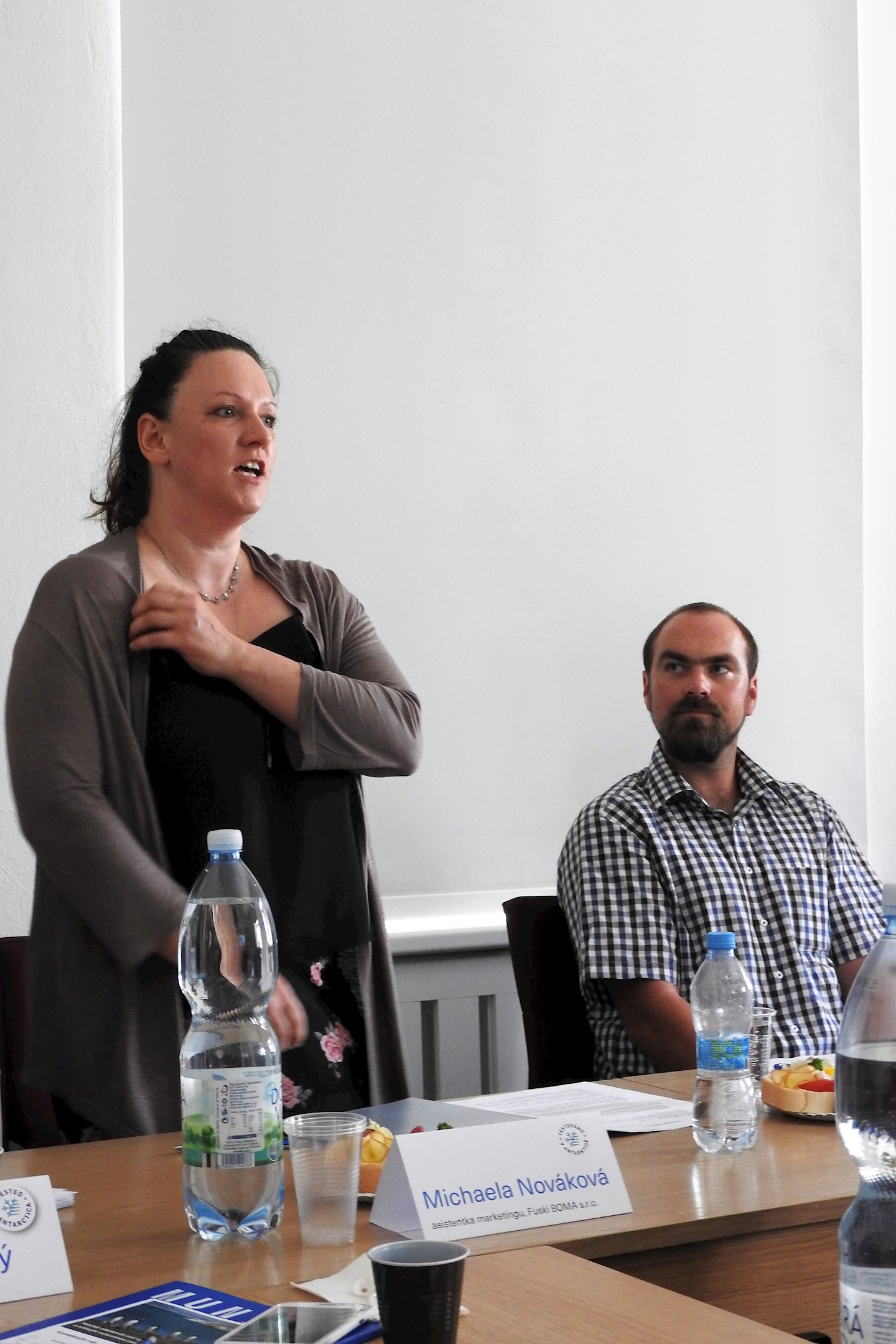
The opportunity to expose their products to polar extremes gives companies valuable feedback; they find out whether the product is good enough for the rough conditions or learn how to improve it. The trademark serves as a marketing tool that tells the consumers that the product has certain exceptional qualities. „It is basically consumer testing the results of which we publish at the website www.tested-in-antarctica.com. Those who are interested can find what our evaluators liked about the product and why it was given the trademark or what drawbacks it had," explains Jana Daňková, business manager of the Technology Transfer Office MU which, together with the polar explorers, takes care of the testing and trademarking.
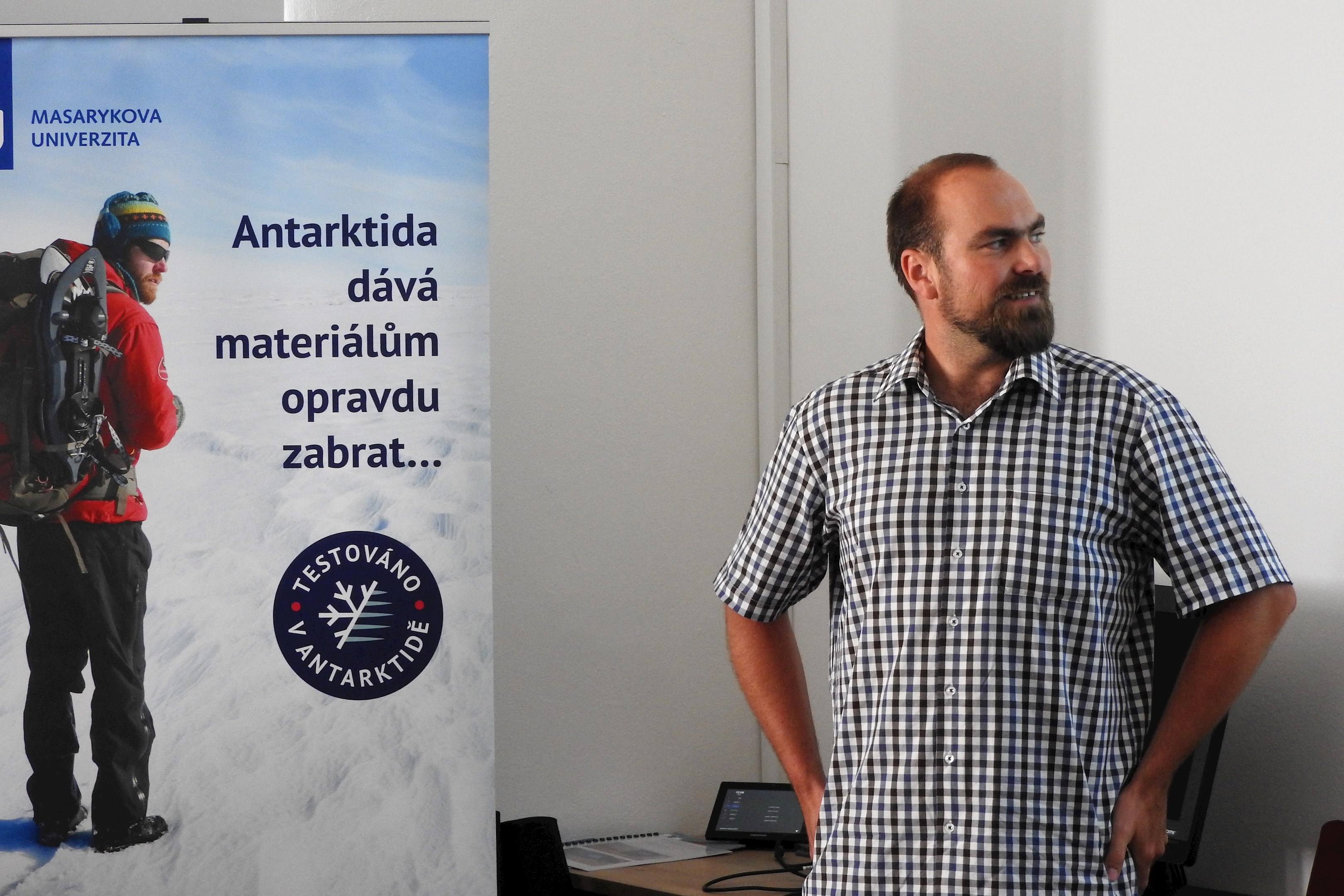
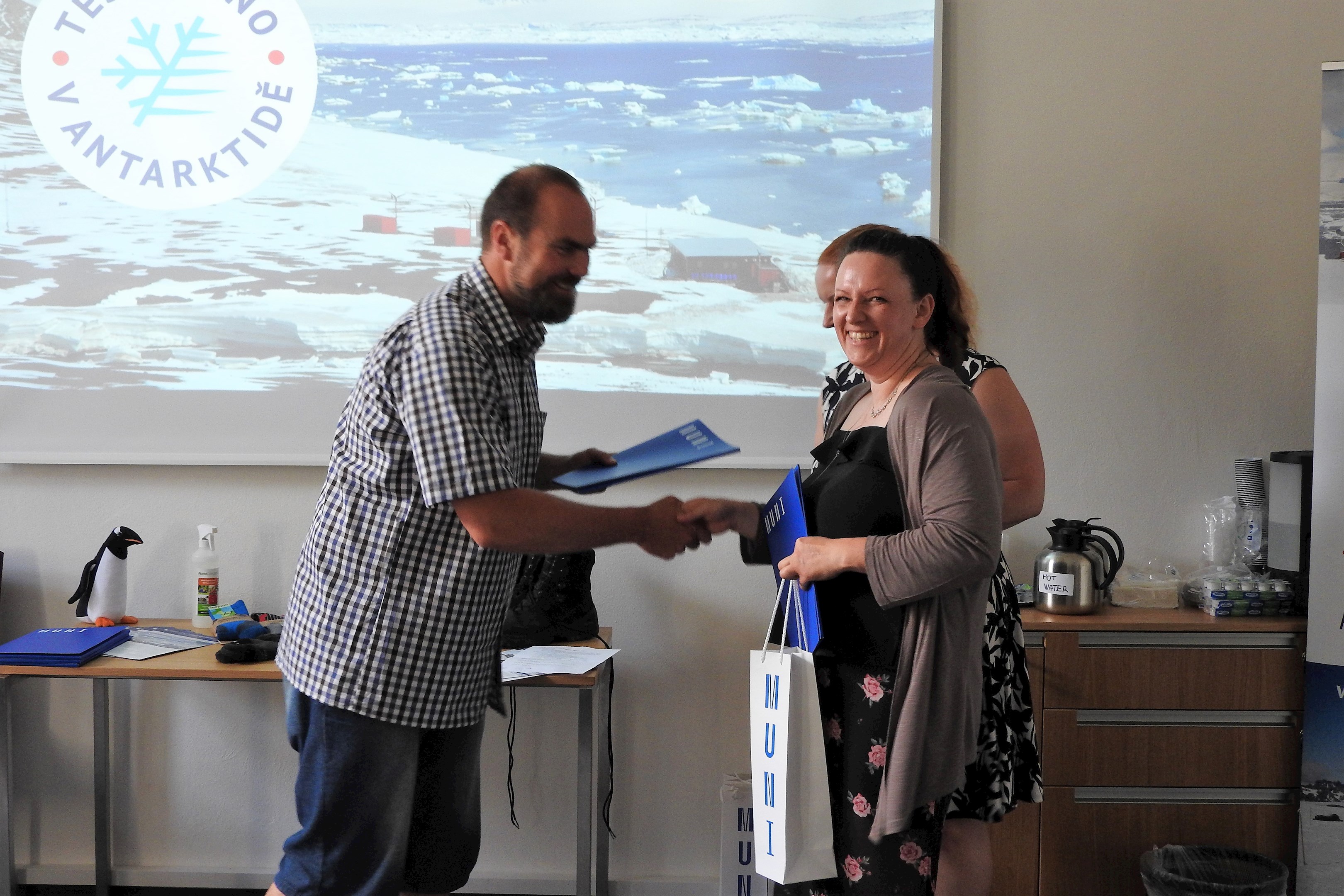
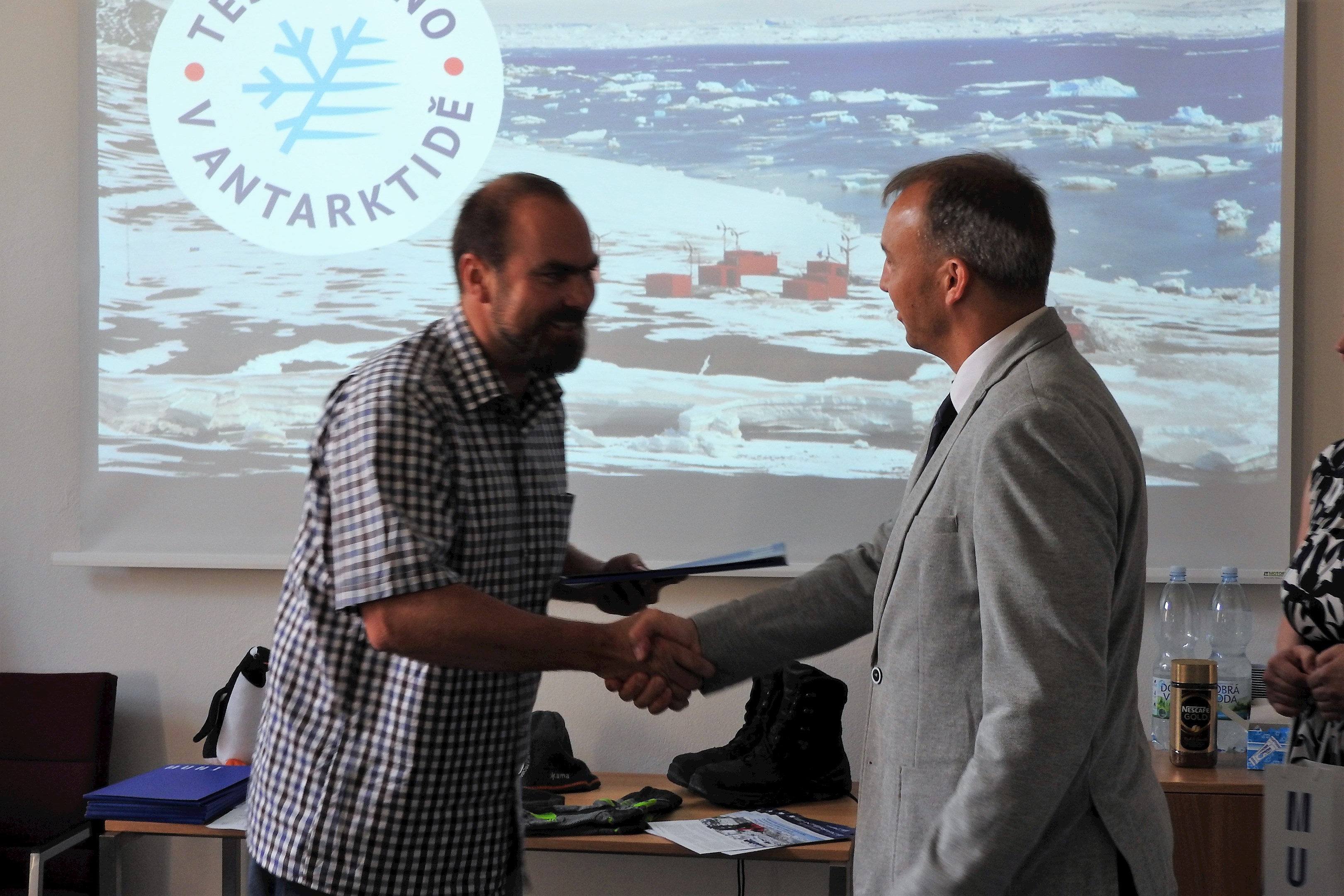
In the end, six of the tested products obtained the trademark; five of those will be marked with the Czech "Testováno v Antarktidě" trademark and the manufacturer of the waterproofing foil will use its European equivalent "Tested in Antarctica". The first three trademarks were granted last year during the pilot phase. Two of those were given to thermal underwear and the third one was obtained by heavy-duty outdoor shoes. Product testing was carried out in Antarctica even before this project; the trademark is just one of the ways to raise companies’ interest in cooperating with the university.